
Total produse: 40,11 Lei
The European right to a healthy environment - Florin Fainisi


"The European right to a healthy environment", de Florin Fainisi este o carte publicata de editura Pro Universitaria in anul 2014. In cele 230 de pagini, cartea ofera o lectura relevanta pentru cititorii interesati de acest gen. Descriere completa
- Anul aparitiei
- 2014
- Format
- A5
- Numar pagini
- 230
- ISBN
- 9786062601256
Status: Epuizat
Ajuta-ne sa dam de veste editurii PRO UNIVERSITARIA ca aceasta carte este in continuare de interes.
Descriere - The European right to a healthy environment
There is, of course, a direct relation between the right to a healthy environment and other human rights. Environmental degradation affects the right to life, health, work and education. For example, the pollution of lakes and waters in a large number of countries has a severe impact on the fishermen’s possibility to make a decent living through their traditional work, or the pollution of the air and water resulted from the activity of certain plants generates health issues, while intoxications caused by lead-based paints, gas etc. affect the children’s capacity to learn.
The World Health Organization (WHO) defines the environment in relation with health, as being all the physical, chemical, and biological factors external to a person and all the related behaviours1. A healthy environment consists in the prevention or control of diseases, lesions and disabilities caused by the interactions between people and the environment.
The current legal regulation highlights the elaboration and ens...
There is, of course, a direct relation between the right to a healthy environment and other human rights. Environmental degradation affects the right to life, health, work and education. For example, the pollution of lakes and waters in a large number of countries has a severe impact on the fishermen’s possibility to make a decent living through their traditional work, or the pollution of the air and water resulted from the activity of certain plants generates health issues, while intoxications caused by lead-based paints, gas etc. affect the children’s capacity to learn.
The World Health Organization (WHO) defines the environment in relation with health, as being all the physical, chemical, and biological factors external to a person and all the related behaviours1. A healthy environment consists in the prevention or control of diseases, lesions and disabilities caused by the interactions between people and the environment.
The current legal regulation highlights the elaboration and enshrinement at national and international level of a fundamental human right to a healthy and balanced environment. The environment is considered healthy when it provides the adequate conditions of living and development to all the beings living at a certain point on Earth. Without a doubt, in order to be healthy, the environment must be ecologically balanced and preserved by any means and protected.
From the perspective of human rights, in the context of a severe environmental degradation, the right to a healthy environment gains an essential position, besides other rights, including the right to development, the right an adequate social environment by countering terrorism, criminality and drugs, the right to peace and security, the right to humanitarian assistance and observance of common humanity patrimony, rights with the generic name of collective solidarity third generation rights. The chronological categorization of human rights remains one of the best known forms of categorization.
Thus, there are first-generation human rights, represented by “classic” civil and political rights: the right to life, freedom, physical integrity, freedom of expression etc. The second-generation human rights are represented by the economic, social and cultural rights, which involve the positive intervention of the state, with the purpose of creating the material and social conditions for their exercise. The third-generation rights are represented by the collective, solidarity rights and, with the latest discoveries in medicine and biology the enshrinement of a fourth generation of human rights, which protect the human dignity from certain forms of abuse: genetic engineering, experiments on the human embryo, organ transplantation1.
Disponibilitate: Epuizat
Tip produs: Carti
Editura: PRO UNIVERSITARIA
Autor: Florin Fainisi
An Aparitie: 2014
Format: A5
Nr pagini: 230
ISBN: 9786062601256
Cartea nu are inca o recenzie
Pentru a trimite o recenzie trebuie sa va autentificati aici
Alte carti de la editura Pro Universitaria
Editura PRO UNIVERSITARIA.
În stoc
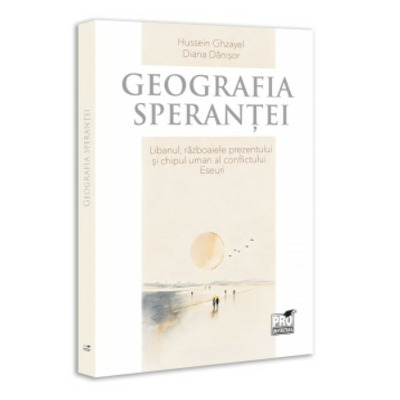
Geografia sperantei
Libanul, razboaiele prezentului si chipul uman al...
Hussein GhzayelPRO UNIVERSITARIA 2026






Pentru orice solicitare contactati departamentul Suport Clienti LibrariaOnline.ro, de luni pana vineri in intervalul 9-18.
LibrariaOnline.ro intelege importanta informatiilor prezentate in aceasta pagina si face eforturi permanente pentru a le pastra actualizate. Singura situatie in care informatiile prezentate pot fi diferite fata de cele ale produsului este aceea in care producatorul aduce modificari specificatiilor acestuia, fara a ne informa in prealabil.
Timpul maxim de procesare al acestei carti este de 7 zile.
Estimarea este exprimata in zile lucratoare si se refera la timpul maxim de aprovizionare si expediere.
Titlurile de curand epuizate sau cele aflate in curs de reeditare nu cad sub incidenta acestor estimari, iar disponibilitatea lor va va fi comunicata in 7 zile de la data comenzii.